Understanding the Foundation of Successful Clear Aligner Treatment
Orthodontic treatment has evolved considerably over the past two decades, with clear aligner therapy emerging as a preferred choice for patients seeking discreet tooth movement. Whilst the technology behind these transparent orthodontic devices continues to advance, one critical factor often determines the difference between exceptional results and disappointing outcomes: the frequency with which patients replace their aligners. This seemingly straightforward aspect of treatment holds remarkable influence over both the predictability of tooth movement and the ultimate clinical success of the entire orthodontic journey.
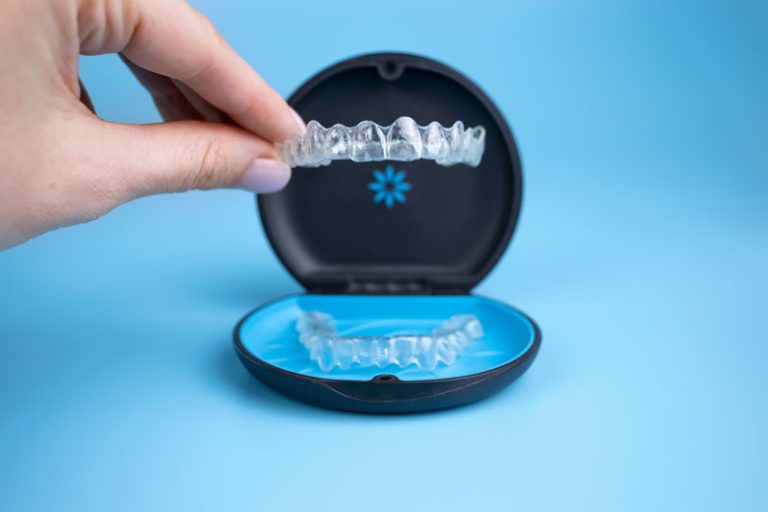
Clear aligner systems, including Invisalign Bournemouth, function on a carefully orchestrated sequence of incremental movements, with each aligner designed to shift teeth by precise measurements. The prescribed replacement schedule exists not as an arbitrary suggestion, but as a fundamental component of the biomechanical forces required to achieve optimal results. When patients adhere to the recommended timeline for progressing through their aligner series, they maintain consistent pressure on the teeth, allowing for controlled movement through the periodontal ligament and supporting bone structure.
The Science Behind Aligner Replacement Timing
Orthodontic tooth movement relies on a biological process known as bone remodelling, wherein osteoclasts break down existing bone tissue whilst osteoblasts form new bone in response to applied forces. This delicate balance requires sustained, appropriate pressure over specific timeframes. Research into orthodontic biomechanics and tooth movement demonstrates that consistent force application optimises this biological response, leading to more predictable treatment outcomes.
Most Invisalign practitioners and orthodontists worldwide prescribe aligner changes at intervals ranging from seven to fourteen days, depending on the complexity of the case and the patient’s individual response to treatment. This window has been refined through extensive clinical experience and represents the optimal period for achieving controlled tooth movement whilst minimising the risk of root resorption or other complications.
Material Properties and Treatment Efficacy
The thermoplastic materials used in modern clear aligners possess specific mechanical properties that influence their effectiveness over time. These materials gradually lose their initial force delivery capacity as they adapt to the tooth positions, which is precisely why timely replacement becomes essential. Extending the wear period beyond recommendations may result in insufficient force application, leading to stalled progress or incomplete tooth movements.
Patient Compliance and Treatment Predictability
The relationship between aligner replacement frequency and treatment success extends beyond mere adherence to a schedule. Patient compliance in clear aligner therapy encompasses multiple dimensions, including daily wear time, proper cleaning protocols, and timely progression to subsequent aligners. When patients delay replacing their aligners, even by several days, the cumulative effect across an entire treatment plan can result in significant discrepancies between predicted and actual tooth positions.
Clinical studies have demonstrated that treatment predictability decreases substantially when patients deviate from prescribed replacement schedules. This deviation necessitates mid-course corrections, additional refinement aligners, and extended treatment duration. Such adjustments not only prolong the overall timeline but may also affect patient motivation and satisfaction with the treatment process.
The Cascade Effect of Delayed Replacements
When aligner replacement occurs later than recommended, the subsequent aligners in the sequence may no longer fit properly, as they were designed based on the assumption that previous movements had been completed. This misfit can create several challenges, including reduced effectiveness of force delivery, patient discomfort, and potential tracking issues where teeth fail to follow the intended treatment trajectory. The importance of compliance over technology alone cannot be overstated in achieving optimal orthodontic outcomes.
Optimising Treatment Outcomes Through Proper Scheduling
Clinicians who monitor their patients’ aligner replacement patterns often identify compliance issues early, allowing for timely intervention and course correction. Regular check-up appointments serve not only to assess tooth movement progress but also to reinforce the importance of maintaining the prescribed replacement schedule. Patients who understand the biological rationale behind aligner changes demonstrate higher compliance rates and achieve more predictable results.
The integration of digital monitoring tools has further enhanced the ability to track aligner replacement frequency remotely. These technologies enable practitioners to identify when patients fall behind schedule and provide targeted support to maintain treatment momentum. Such innovations represent a significant advancement in ensuring that the theoretical precision of treatment planning translates into practical clinical success.
Achieving Excellence in Clear Aligner Therapy
The frequency with which patients replace their clear aligners fundamentally influences both treatment predictability and clinical outcomes. By maintaining prescribed replacement schedules, patients optimise the biomechanical forces necessary for controlled tooth movement, minimise treatment complications, and achieve results that closely align with initial treatment predictions. For orthodontic professionals and patients alike, recognising the critical importance of this seemingly simple aspect of care represents a cornerstone of successful clear aligner therapy.
About the Author