The Modern Solution to Smile Imperfections
Composite bonding is a popular cosmetic dental treatment that can improve the appearance of teeth with minimal alteration to the natural tooth structure. For patients looking to address minor imperfections without lengthy treatment, it offers a convenient option that can often be completed in a single appointment.
The procedure involves applying tooth-coloured composite resin to the teeth before carefully shaping and polishing it to achieve a natural-looking finish. Composite bonding can help improve the appearance of chipped or uneven teeth, small gaps, certain types of discolouration and minor irregularities. If you are considering enhancing your smile, a cosmetic dentist Harrow can assess your teeth and discuss whether composite bonding is suitable for your needs. As the treatment typically preserves most of the natural tooth structure, it can be an appealing option for patients seeking a less invasive cosmetic solution.
Understanding the Composite Bonding Procedure
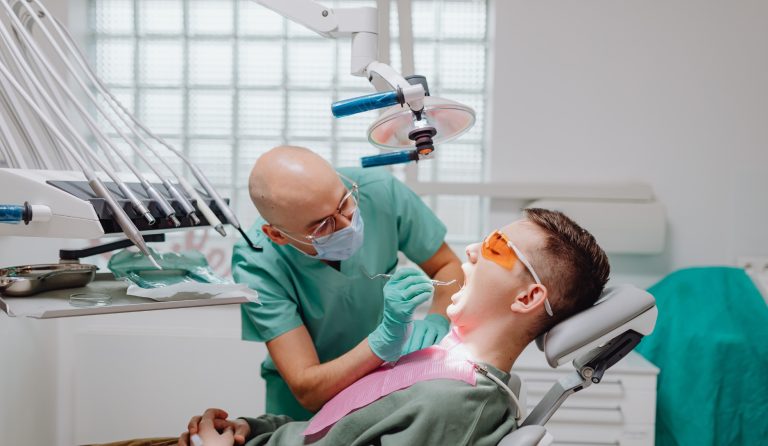
The process begins with a thorough consultation where the dental practitioner assesses the patient’s teeth and discusses their aesthetic goals. This initial evaluation ensures that composite bonding is the appropriate treatment and allows for careful planning of the desired outcome. The procedure itself is remarkably straightforward, typically requiring no anaesthesia unless being used to fill a decayed tooth. The dentist first prepares the tooth surface by applying a conditioning liquid, which helps the bonding material adhere effectively.
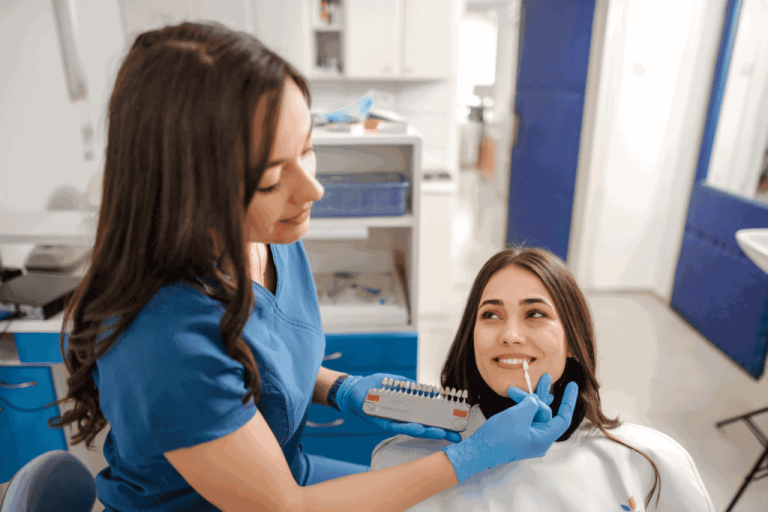
Once the tooth is prepared, the cosmetic dentist Harrow practitioners and their counterparts across the country carefully apply the composite resin, which is carefully matched to the natural shade of the surrounding teeth. This attention to colour matching ensures seamless integration with the patient’s existing smile. The dentist then moulds and sculpts the material to achieve the desired shape and contour, demonstrating both technical skill and artistic vision. A special curing light is used to harden the material, followed by final shaping and polishing to create a natural-looking finish.
The Advantages of Single-Appointment Treatment
One of the most compelling aspects of composite bonding is the immediacy of results. Patients walk into the dental surgery with concerns about their smile and leave the same day with visible improvements. This single-appointment approach eliminates the need for temporary restorations or multiple visits, making it an ideal solution for those with busy schedules or dental anxiety. For those interested in learning more about the composite bonding process, comprehensive resources are available to help patients make informed decisions about their dental care.
Cost-Effectiveness and Minimal Invasiveness
Beyond the convenience factor, composite bonding presents a more economical alternative to porcelain veneers or crowns. The treatment requires minimal preparation of the natural tooth structure, often preserving more of the original tooth compared to other cosmetic procedures. This conservative approach not only maintains dental health but also means the process is generally reversible, should patients wish to explore alternative treatments in the future. The longevity of composite bonding, typically lasting between five to ten years with proper care, offers excellent value for those seeking to enhance their smile without significant financial investment.
Suitable Candidates and Treatment Considerations
Composite bonding proves particularly effective for addressing minor to moderate aesthetic concerns. Patients with small chips, slight gaps between teeth, or minor discolouration often achieve outstanding results. However, it is worth noting that this treatment may not be suitable for everyone. Those with extensive tooth damage, severe misalignment, or significant structural issues may require alternative solutions. A comprehensive assessment by a qualified dental professional determines the most appropriate course of action for each individual case.
Maintaining bonded teeth requires similar care to natural teeth, including regular brushing, flossing, and routine dental check-ups. Patients should be mindful of habits that could compromise the bonding material, such as biting hard objects or using teeth as tools. Avoiding staining substances like coffee, tea, and red wine in the immediate aftermath of treatment helps preserve the aesthetic results. Those considering this treatment can explore the advantages and limitations of composite bonding to better understand what to expect.
Achieving Your Ideal Smile
The transformative power of composite bonding extends beyond the physical changes to one’s teeth. Many patients report increased confidence and improved self-esteem following treatment, demonstrating the profound psychological impact of a beautiful smile. The accessibility and efficiency of this procedure have made it increasingly popular amongst those seeking cosmetic dental improvements without the commitment or expense of more extensive treatments. For visual demonstrations of the procedure and results, watching composite bonding transformation videos provides valuable insight into what patients can expect.
Composite bonding represents a remarkable advancement in cosmetic dentistry, offering patients the opportunity to address smile imperfections quickly and effectively. The combination of immediate results, minimal invasiveness, and affordability makes this treatment an attractive option for anyone considering aesthetic dental improvements. With proper care and maintenance, the benefits of composite bonding can be enjoyed for years to come, proving that sometimes the most impressive transformations require just a single appointment.
About the Author