Understanding a Time-Honoured Diagnostic Technique
In an era dominated by digital radiography, cone beam computed tomography, and sophisticated imaging technologies, the simple act of tapping on teeth might seem rather antiquated. Yet dental percussion remains one of the most valuable diagnostic tools available to practitioners, offering immediate insights that even the most advanced imaging cannot always provide. This tactile technique, which has been employed for generations, continues to hold significant relevance in modern dental practice, particularly when assessing pulpal and periapical conditions.
The fundamental principle behind percussion testing is straightforward: when a tooth or its supporting structures are inflamed or damaged, the application of controlled force elicits a characteristic response. This response, whether it manifests as acute discomfort or mild sensitivity, provides clinicians with crucial information about the underlying pathology. What makes this technique particularly valuable is its immediacy and simplicity, requiring no expensive equipment or lengthy waiting periods for results.
The Mechanics Behind the Method
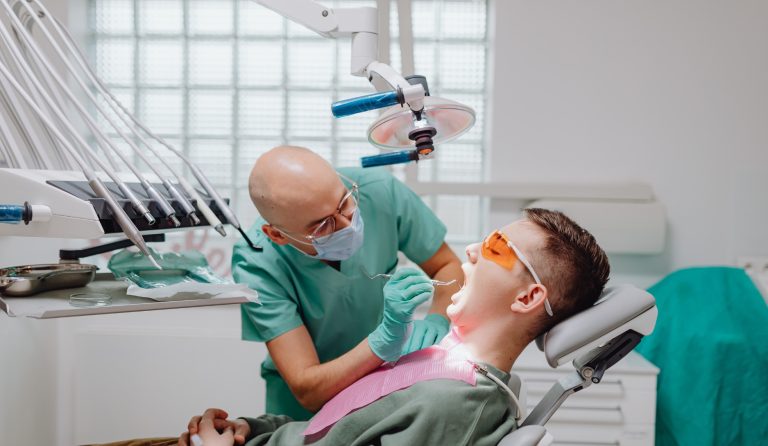
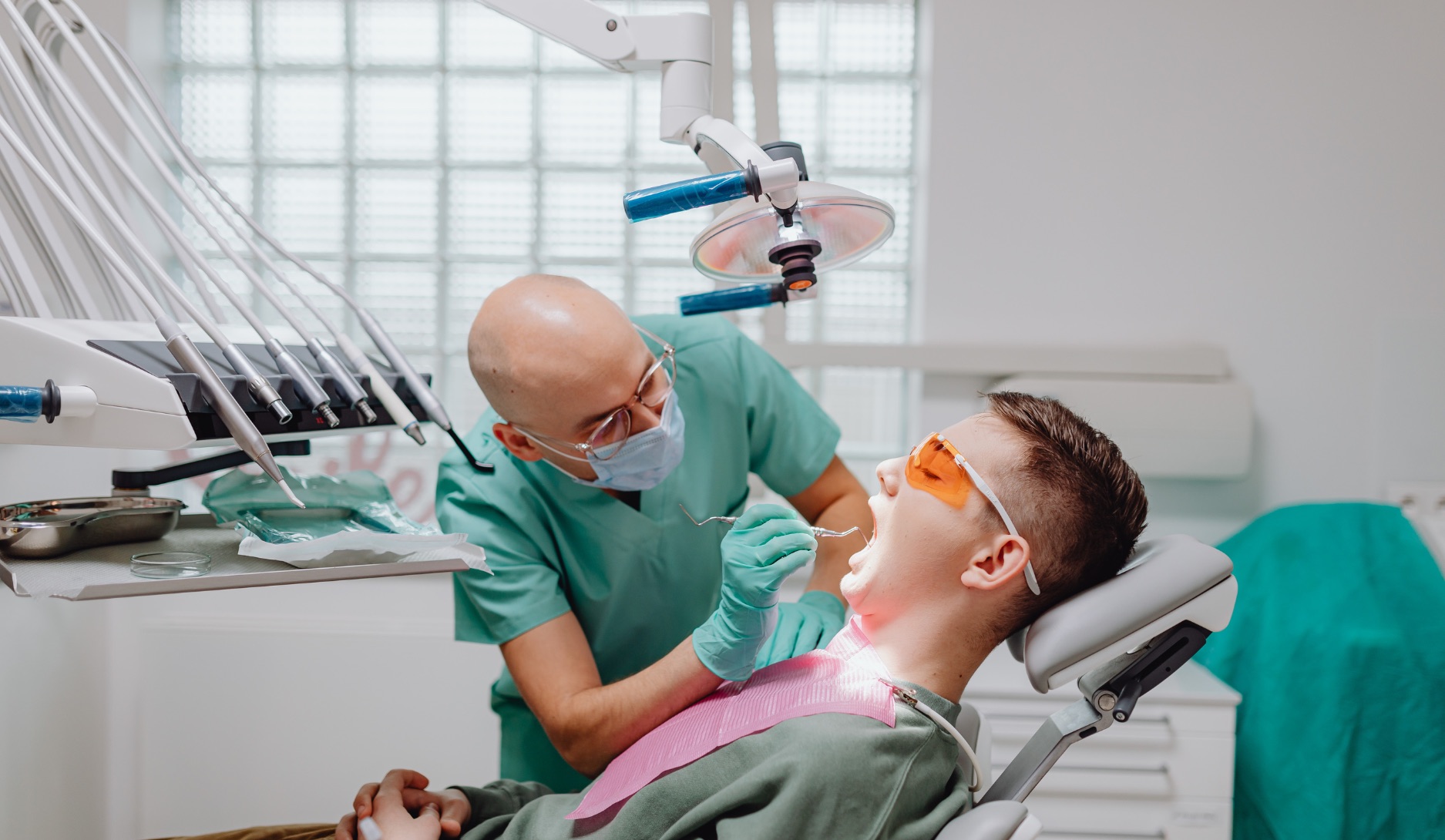
Percussion testing involves the gentle tapping of teeth using either a finger or the handle of a dental instrument. The technique can be performed in two distinct orientations: vertical percussion, where force is applied along the long axis of the tooth, and horizontal percussion, which involves tapping the tooth from the side. Each approach serves a specific diagnostic purpose and can reveal different aspects of dental health.
When performing vertical percussion, practitioners assess the integrity of the periapical tissues and the periodontal ligament. A detailed understanding of percussion techniques demonstrates how inflammation in these areas causes heightened sensitivity to axial forces. Horizontal percussion, conversely, tends to be more sensitive in detecting periodontal involvement or lateral pathology. The combination of both methods provides a comprehensive picture of the tooth’s condition.
Clinical Applications in Modern Dentistry
Identifying Pulpal Pathology
One of the primary applications of percussion testing lies in distinguishing between various pulpal conditions. When a dentist Ivanhoe practitioners and their colleagues worldwide encounter patients with dental discomfort, percussion helps differentiate between reversible pulpitis, irreversible pulpitis, and necrotic pulp tissue. A tooth with vital but inflamed pulp tissue typically responds differently to percussion compared to one with necrotic pulp and periapical involvement.
Assessing Periapical and Periodontal Conditions
The sensitivity elicited during percussion testing often correlates directly with the extent of periapical inflammation. Teeth with acute apical periodontitis typically demonstrate marked tenderness to even the lightest percussion, whilst those with chronic conditions may show minimal or no response. This distinction proves invaluable when planning treatment strategies and predicting patient outcomes following endodontic intervention.
Furthermore, percussion assists in identifying periodontal abscesses, vertical root fractures, and other structural compromises that might not be immediately apparent through visual examination alone. The technique’s ability to localise discomfort helps practitioners pinpoint the specific tooth requiring intervention, particularly in cases where patients struggle to identify the source of their symptoms.
Integration with Contemporary Diagnostic Protocols
Modern dental practice benefits enormously from combining traditional percussion testing with advanced diagnostic modalities. Whilst comprehensive endodontic examination protocols incorporate various testing methods, percussion remains a cornerstone of initial assessment. The technique serves as an excellent screening tool, guiding practitioners towards areas requiring more detailed investigation through radiographic or electronic means.
The relationship between clinical findings and patient symptoms becomes clearer when percussion forms part of a systematic examination protocol. Practitioners can correlate the degree of percussion sensitivity with other diagnostic indicators, creating a more complete understanding of the patient’s condition. This holistic approach ensures that treatment decisions rest upon multiple evidence points rather than a single diagnostic criterion.
Teaching and Refining the Technique
Despite its simplicity, percussion testing requires considerable skill and calibration. The force applied must be consistent and controlled, beginning gently and increasing only as necessary. Comparing the response of the suspect tooth with adjacent healthy teeth provides essential context. Many dental educators now utilise visual demonstrations of clinical techniques to help students develop appropriate percussion methodology and interpret findings accurately.
The Enduring Value of Clinical Judgement
As dentistry continues to evolve with technological advancement, percussion testing serves as a reminder that fundamental clinical skills retain their importance. The technique’s accessibility, immediacy, and diagnostic reliability ensure its continued relevance in contemporary practice. By maintaining proficiency in this time-honoured method, dental practitioners preserve a vital connection to the tactile, patient-centred approach that remains at the heart of quality dental care.
About the Author